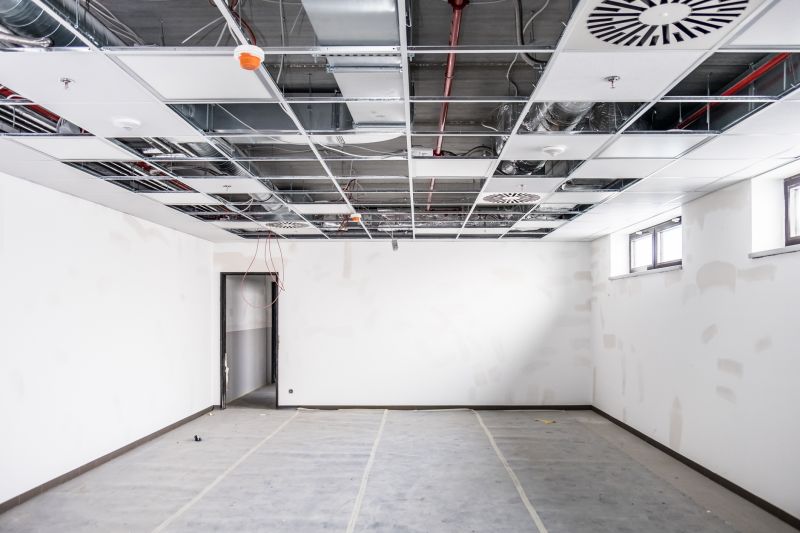
Ceiling Removal Service in Houston, TX
Ceiling removal services involve the safe and efficient removal of existing ceilings in residential properties, typically to prepare for renovations, upgrades, or new installations. This process covers a variety of projects, including removing popcorn ceilings, drop ceilings, or damaged drywall ceilings. Homeowners often seek this service when updating their interior design, addressing water damage, or preparing for new lighting fixtures, ensuring the space is ready for the next phase of renovation.
Before requesting ceiling removal, property owners usually want to understand the scope of work, including whether the existing ceiling contains materials like asbestos or other hazardous substances. It’s also helpful to consider the structural aspects of the ceiling, such as support beams or wiring, to ensure proper handling during removal. Clear communication about the project’s goals and any potential complications can help facilitate a smooth process and successful results.
Many property owners in Houston, TX look into Ceiling Removal Service for repairs, replacements, upgrades, and appearance-related improvements.

Ceiling Removal Options
Different types of ceilings can be safely removed to update or renovate your space.
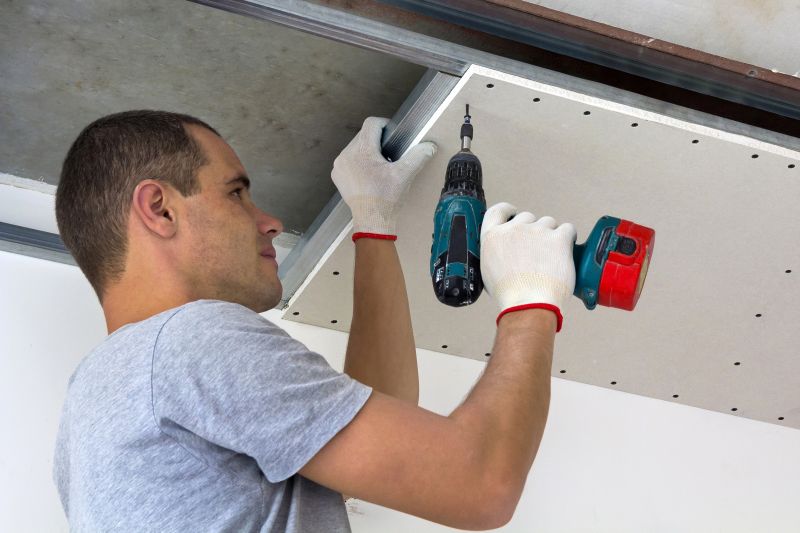
Common Reasons For Removal
Ceiling removal may be necessary for mold issues, water damage, or to install new lighting fixtures.
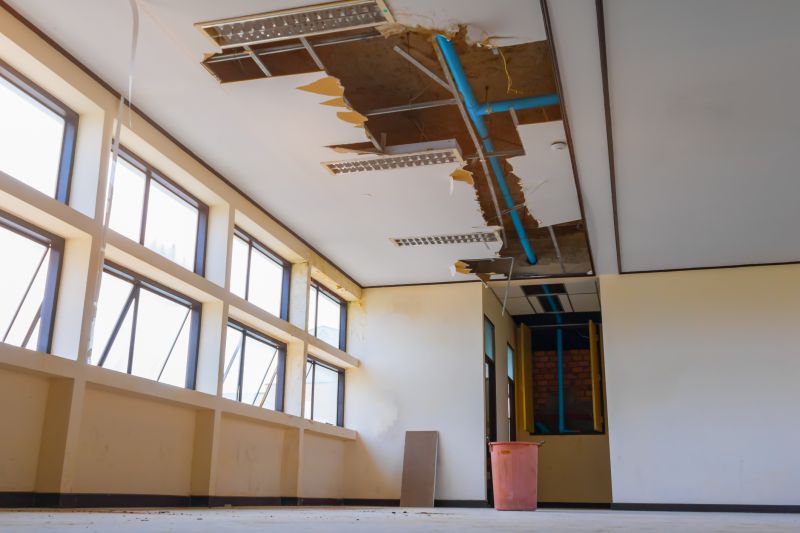
Preparation And Safety
Proper preparation ensures safe removal and minimizes dust and debris during the process.
Ceiling Removal Service in Houston, TX

Ceiling removal services involve the safe and efficient removal of existing ceilings in residential properties, typically to prepare for renovations, upgrades, or new installations. This process covers a variety of projects, including removing popcorn ceilings, drop ceilings, or damaged drywall ceilings. Homeowners often seek this service when updating their interior design, addressing water damage, or preparing for new lighting fixtures, ensuring the space is ready for the next phase of renovation.
Before requesting ceiling removal, property owners usually want to understand the scope of work, including whether the existing ceiling contains materials like asbestos or other hazardous substances. It’s also helpful to consider the structural aspects of the ceiling, such as support beams or wiring, to ensure proper handling during removal. Clear communication about the project’s goals and any potential complications can help facilitate a smooth process and successful results.
Many property owners in Houston, TX look into Ceiling Removal Service for repairs, replacements, upgrades, and appearance-related improvements.
Common Ceiling Removal Service Jobs
Ceiling removal involves safely taking down existing ceilings to prepare for renovations or repairs.
Popcorn ceiling removal helps update outdated textures and improve indoor air quality.
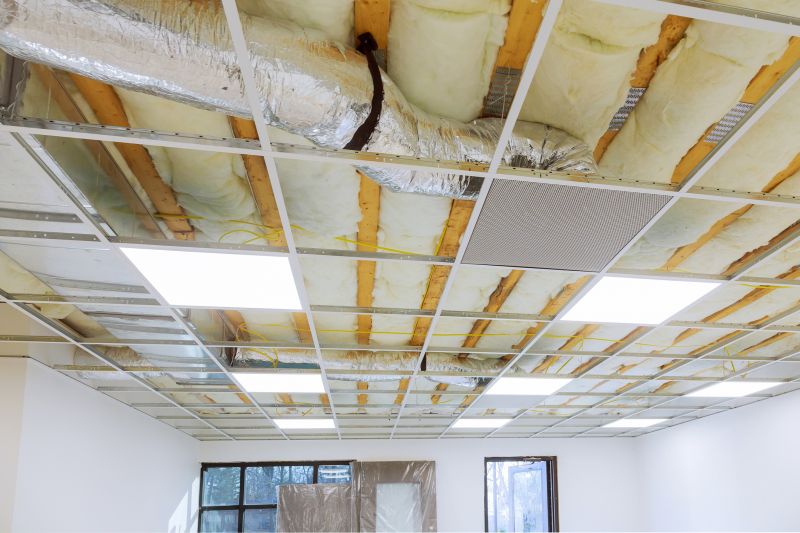
Drop ceiling removal allows for easier access to wiring, plumbing, or ductwork.
Suspended ceiling removal is useful when upgrading to more modern or aesthetic ceiling options.
Asbestos ceiling removal ensures safe removal of hazardous materials in older properties.
Ceiling demolition supports major remodeling projects requiring complete ceiling removal.
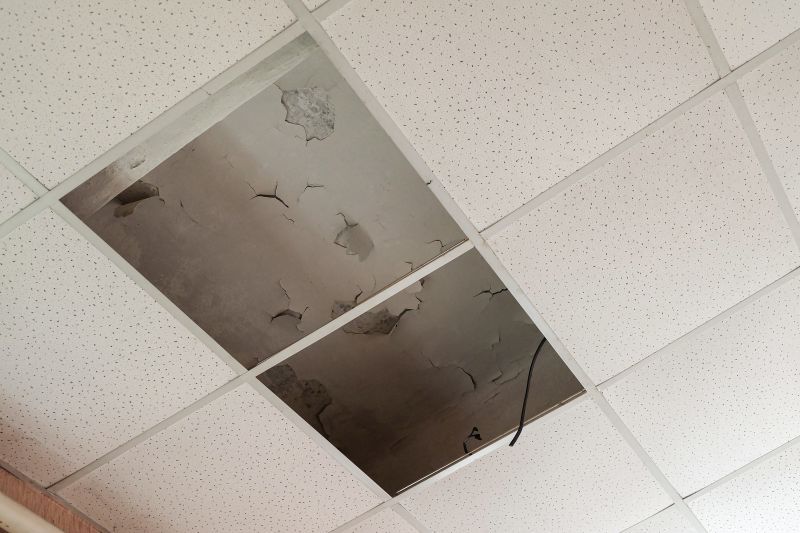

Ceiling Removal Service Questions
What types of ceilings can be removed? Ceiling removal services typically handle drywall, plaster, popcorn, and suspended ceilings to prepare spaces for renovation or remodeling.
Why remove a ceiling? Ceilings may be removed to access wiring, update insulation, repair damage, or create an open-concept design in a property.
Is ceiling removal messy? Some dust and debris are common during removal, but proper containment and cleanup practices help minimize messes on the property.
What should property owners consider before removal? It's important to evaluate structural elements, potential asbestos presence, and the desired outcome for the space before proceeding with ceiling removal.
Request Ceiling Removal Service in Houston, TX
Use the quote form on this page to share the basics of your project and request more information for the type of work you need.